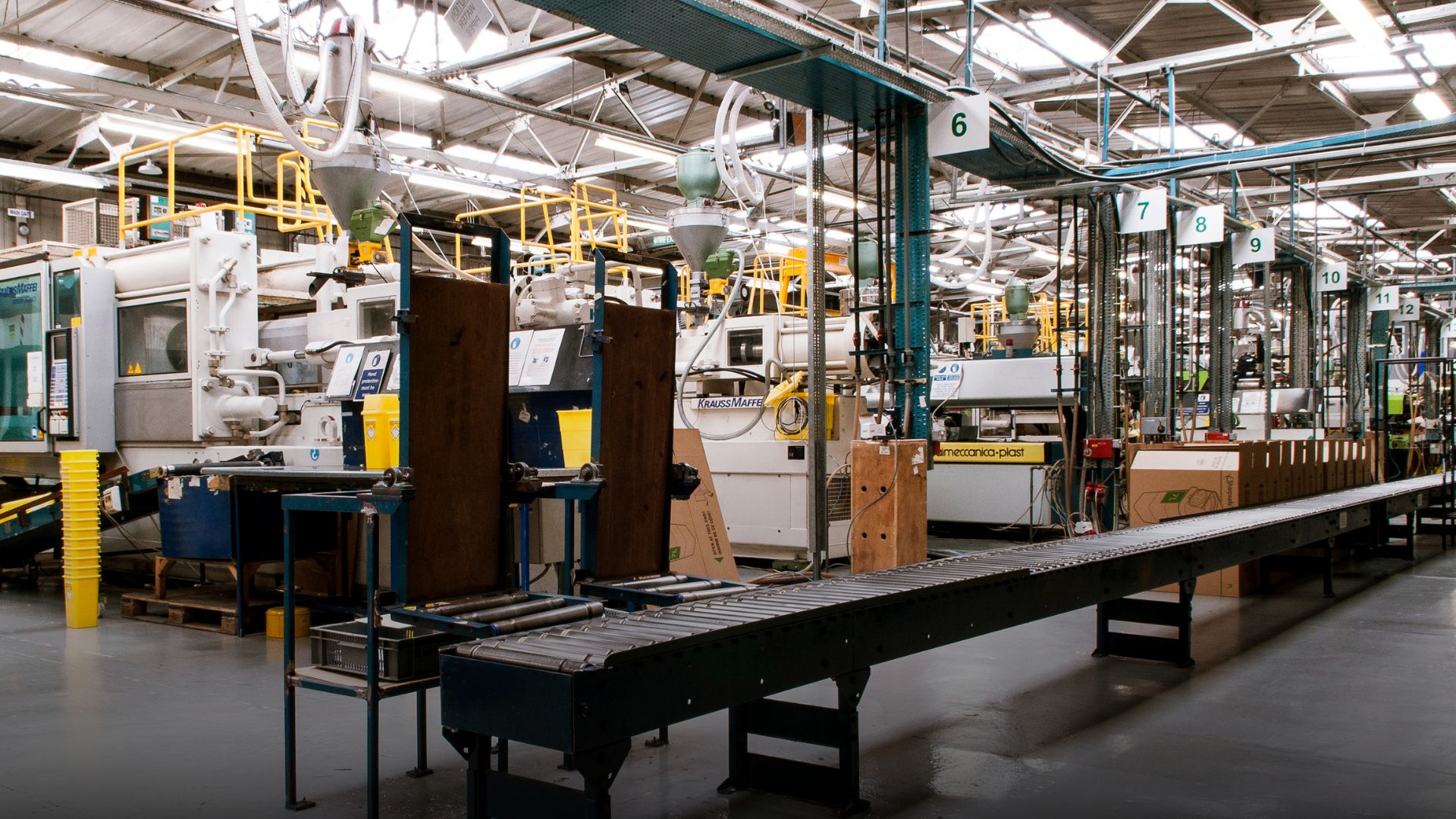
Manufacturing businesses rely on equipment to stay productive, competitive, and profitable. Whether you’re producing goods, expanding your facility, or upgrading outdated machinery, having access to the right equipment can directly impact your success. The challenge is that manufacturing equipment often comes with a significant upfront cost.
That’s why many Canadian businesses are turning to equipment financing and leasing solutions instead of purchasing equipment outright. Manufacturing equipment leasing gives companies access to the machinery they need while preserving cash flow and protecting working capital.
If you’re considering upgrading your operations, understanding the benefits of leasing can help you make a more informed decision.
The Rising Cost of Manufacturing Equipment
Modern manufacturing equipment is designed to improve efficiency, increase production capacity, and reduce labour costs. However, these benefits often come with a high purchase price.
Many business owners find themselves choosing between delaying equipment purchases or taking on large debt obligations. Neither option is ideal when your business is trying to grow.
Equipment financing provides an alternative by allowing businesses to spread costs over time rather than paying a large amount upfront.
Whether you’re purchasing CNC machines, fabrication equipment, packaging systems, conveyors, forklifts, or specialized production machinery, financing can help make these investments more manageable.
How Manufacturing Equipment Leasing Works
Manufacturing equipment leasing allows your business to use equipment for a set period while making regular lease payments. Instead of purchasing the equipment outright, you enter into an agreement that provides access to the machinery you need with predictable costs.
At the end of the lease term, you may have options to:
- Return the equipment
- Renew the lease
- Upgrade to newer equipment
- Purchase the equipment
This flexibility makes leasing attractive for businesses operating in industries where technology changes quickly.
Preserving Cash Flow for Daily Operations
One of the biggest advantages of leasing is protecting your cash flow.
Purchasing manufacturing equipment outright can put significant pressure on your finances. Large purchases often reduce available funds for payroll, inventory, marketing, maintenance, and other operational expenses.
By spreading costs over manageable monthly payment amounts, businesses can maintain stronger financial stability.
Instead of tying up capital in equipment, companies can keep money available for growth opportunities and unexpected expenses.
For many business owners, maintaining healthy cash flow is just as important as acquiring new equipment.
Equipment Financing Helps Businesses Grow Faster
Growth often requires investment. The challenge is finding the right balance between expansion and financial stability.
Equipment financing allows businesses to acquire equipment immediately and pay for it over time. This means manufacturers can increase production capacity without waiting years to save enough cash for new machinery.
By using financing, businesses can:
- Expand production faster
- Accept larger contracts
- Improve productivity
- Increase efficiency
- Stay competitive in their industry
This approach allows growth to happen sooner while preserving working capital.
Leasing vs Traditional Business Loans
Many companies automatically think of traditional business loans when they need funding. While business loans can be useful, they aren’t always the best solution for equipment purchases.
Traditional lenders often require extensive documentation, strong financial statements, and excellent credit profiles.
Leasing is often more flexible because the equipment itself helps secure the transaction.
Compared to many business loans, leasing may offer:
- Faster approvals
- Lower upfront costs
- More flexible payment structures
- Easier access to newer equipment
- Simplified renewal options
This flexibility is one reason many manufacturers choose leasing over conventional financing.
Options for Businesses with Credit Challenges
Many business owners worry that past financial challenges will prevent them from obtaining financing.
While traditional banks may have strict lending rules, specialized lenders often help companies with poor credit.
Some lenders offer bad credit loans and alternative financing programs that focus on the overall health of the business rather than only reviewing a credit score.
If you’re dealing with credit challenges, factors that may still help secure financing include:
- Strong business revenue
- Positive cash flow
- Industry experience
- Valuable equipment assets
- Stable operations
These alternative programs can help businesses continue growing even when traditional financing is difficult to obtain.
Understanding the Approval Process
The approval process for manufacturing equipment financing is often simpler than many business owners expect.
Lenders may review:
- Financial statements
- Business history
- Equipment details
- Loan amount requested
- Existing debt obligations
- Bank account information
In many cases, lenders can provide pre approved financing programs that allow businesses to shop for equipment with confidence.
Some applications can even receive Calgary loan approval within a single business day, depending on the transaction and supporting documentation.
What Affects Your Financing Terms?
Several factors influence financing offers and lease structures.
These may include:
- The value of the equipment
- The age of the equipment
- The requested loan amount
- The applicant’s credit profile
- Business financial performance
- The desired loan term
Lenders may also review credit reporting information to better understand the financial history of the loan applicant.
Companies with stronger credit profiles may receive lower annual interest rate options, while businesses with credit challenges may still qualify through specialized programs.
Leasing Equipment in Calgary
Many Alberta manufacturers work with providers specializing in leasing equipment Calgary businesses rely on every day.
These lenders understand local industries and can offer solutions tailored to manufacturing operations of all sizes.
Whether you’re a startup purchasing your first production machine or an established manufacturer expanding your facility, local financing providers often offer a wide range of solutions designed to meet your needs.
Working with experienced financing professionals can simplify the process and help you identify the most cost-effective structure.
Things to Consider Before You Apply
Before you apply for a loan or lease, it’s helpful to prepare the necessary information.
Gather documents such as:
- Recent financial statements
- Equipment quotes
- Business financial records
- Bank account information
- Corporate documents
Reviewing your financial position beforehand can help streamline the approval process and improve your chances of receiving competitive loan offers.
It’s also important to compare payment structures, annual interest rate options, and overall costs before making a decision.
Building a Stronger Manufacturing Business Through Smart Financing
Manufacturing businesses need reliable equipment to remain competitive, productive, and profitable. Whether you’re replacing aging machinery or expanding your production capabilities, the right financing strategy can make those investments more achievable.
Equipment financing and manufacturing equipment leasing provide flexible solutions that help businesses preserve cash flow, protect working capital, and access the equipment they need without large upfront costs.
From traditional business loans to specialized financing programs and bad credit loans, there are options available for businesses at every stage of growth. By choosing the right financing partner and structure, manufacturers can invest confidently in their future while maintaining the financial flexibility needed to succeed.

Comments are closed.