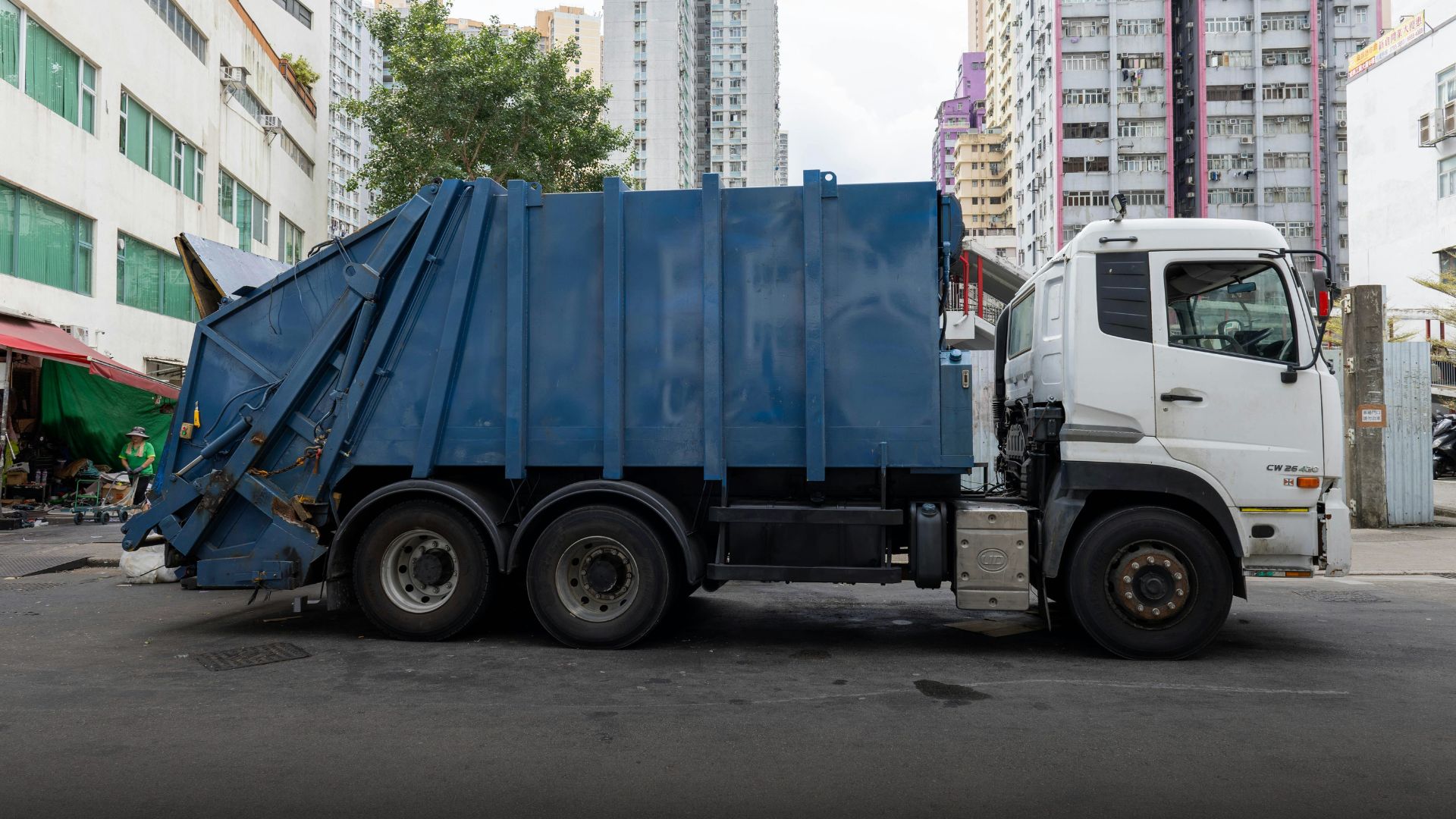
Waste management and recycling businesses depend on reliable equipment every day. From collection trucks and compactors to balers and sorting systems, the right machinery helps crews work faster, handle more material, and provide dependable service.
The challenge is cost. Buying commercial equipment can require a large amount of cash, which may leave less money for payroll, fuel, repairs, and other daily expenses. For Calgary and Alberta businesses looking to grow, equipment financing and leasing equipment can provide a practical solution.
Instead of waiting until you have enough cash for a large purchase, financing can help you get the equipment you need now and spread the cost over time.
Why Equipment Matters for Waste Management Growth
Growing a waste management business often means serving more customers, adding routes, or processing more material. Without enough equipment, taking on that extra work can be difficult.
Companies may need many types of equipment, including:
- Garbage and recycling trucks
- Roll-off trucks
- Compactors
- Balers
- Crushers
- Shredders
- Sorting systems
- Skid steers and loaders
- Containers and bins
Equipment that improves speed and capacity can help a company take on more contracts. Equipment financing makes these purchases easier to plan without using all your available cash at once.
Protect Your Cash Flow with Equipment Leasing
Healthy cash flow is important in any business. In waste management, companies also need money available for fuel, wages, maintenance, insurance, and unexpected repairs.
Paying cash for a major piece of equipment can quickly reduce those reserves.
Leasing equipment allows you to spread the cost through regular monthly payments. This can make budgeting easier while keeping working capital available for other parts of your business.
It can also help protect existing lines of credit. Instead of using a business credit line for one large equipment purchase, you can keep it available for short-term expenses or unexpected needs.
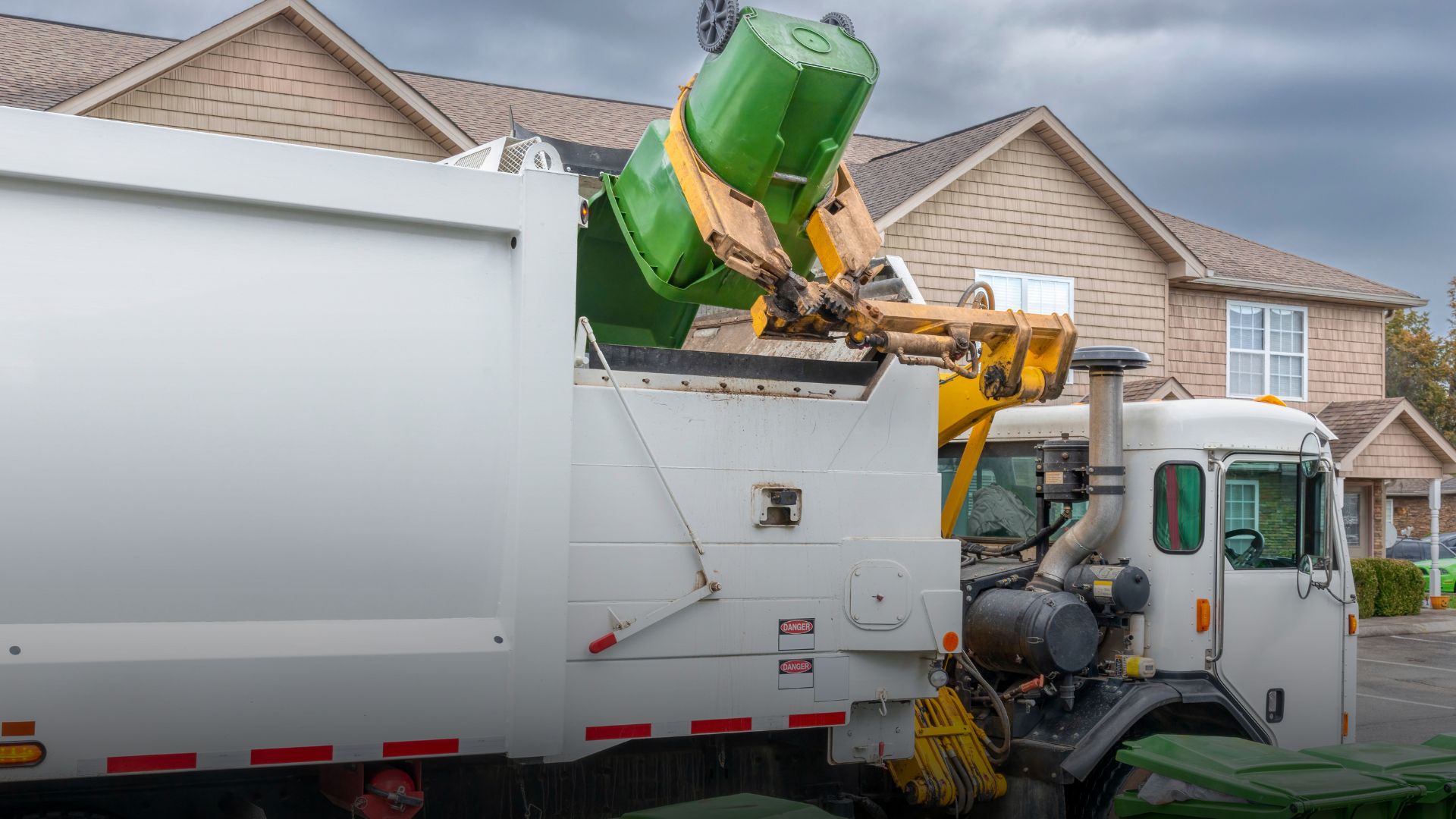
Leasing vs Buying Waste Management Equipment
There isn’t one financing option that works for every company.
Buying may make sense when you expect to use a machine for the long term and want to own the asset. Leasing can be useful when you want to reduce upfront costs, manage predictable payments, or replace equipment more often.
Before deciding, compare the full costs. Look at the interest rate or financing cost, monthly payments, loan terms, equipment lifespan, and expected maintenance.
The right choice should fit your current cash flow while supporting your future plans.
What If Your Business Has a Low Credit Score?
A difficult credit history doesn’t always mean equipment financing is out of reach.
Traditional lenders may rely heavily on credit checks when reviewing a loan application. Specialized equipment lenders can sometimes consider other parts of the business as well.
They may look at:
- Current revenue
- Cash flow
- Time in business
- Equipment value
- Existing contracts
- Requested loan amount
- Recent payment history
Some providers offer low credit loans or bad debt financing solutions for businesses that don’t meet standard bank requirements.
The terms may be different for applicants with weaker credit, so always review the total cost and repayment requirements before signing.
Equipment Financing Can Be Better Than Short-Term Debt
When a business needs equipment quickly, it can be tempting to use credit cards or other easy forms of borrowing. However, carrying high credit card debt can become expensive.
The same is true of a payday loan or personal loans. These products are generally designed for different financial needs and may come with costs that make them a poor fit for major business equipment.
If you see an offer encouraging you to apply for a personal loan for business machinery, compare it carefully with dedicated equipment financing first.
Equipment financing is built around the asset being purchased. This can provide more suitable loan payments and repayment periods for expensive business equipment.
A Simple Application Process Can Help You Move Faster
Waste management opportunities don’t always wait. A new contract may require another truck, loader, or processing machine before work can begin.
Working with an equipment financing provider that offers a straightforward application process can help your business respond faster.
Quick loan approval will depend on the lender, equipment, financial information, and strength of the application. Having your documents ready can help avoid delays.
You may be asked to provide business information, equipment details, financial records, and information about your credit history.
Fast approval can be valuable, but speed shouldn’t be the only factor. Always compare the financing options, costs, and terms before accepting an agreement.
Match Financing to the Life of the Equipment
Think about how long the equipment will produce value for your company.
If a recycling system or heavy machine will remain useful for many years, longer term loans or leases may help spread the expense over its working life. For equipment that needs frequent upgrades, a shorter lease could provide more flexibility.
Matching the financing period to the equipment can also make monthly payments easier to manage.
Before accepting term loans or leases, review the loan terms carefully and understand what happens at the end of the agreement.
Build Your Waste Business with the Right Equipment
Growing a waste management or recycling company takes more than finding new customers. You also need reliable equipment that allows your team to handle the extra work.
Equipment financing can help Calgary businesses invest in the machinery they need while protecting cash flow and keeping other financing options available. Whether you’re leasing equipment, financing a new truck, or replacing an older processing system, choose a payment structure that fits your budget and long-term plans.
With the right equipment financing strategy, your business can increase capacity, serve more customers, and be ready when the next opportunity arrives.

Comments are closed.