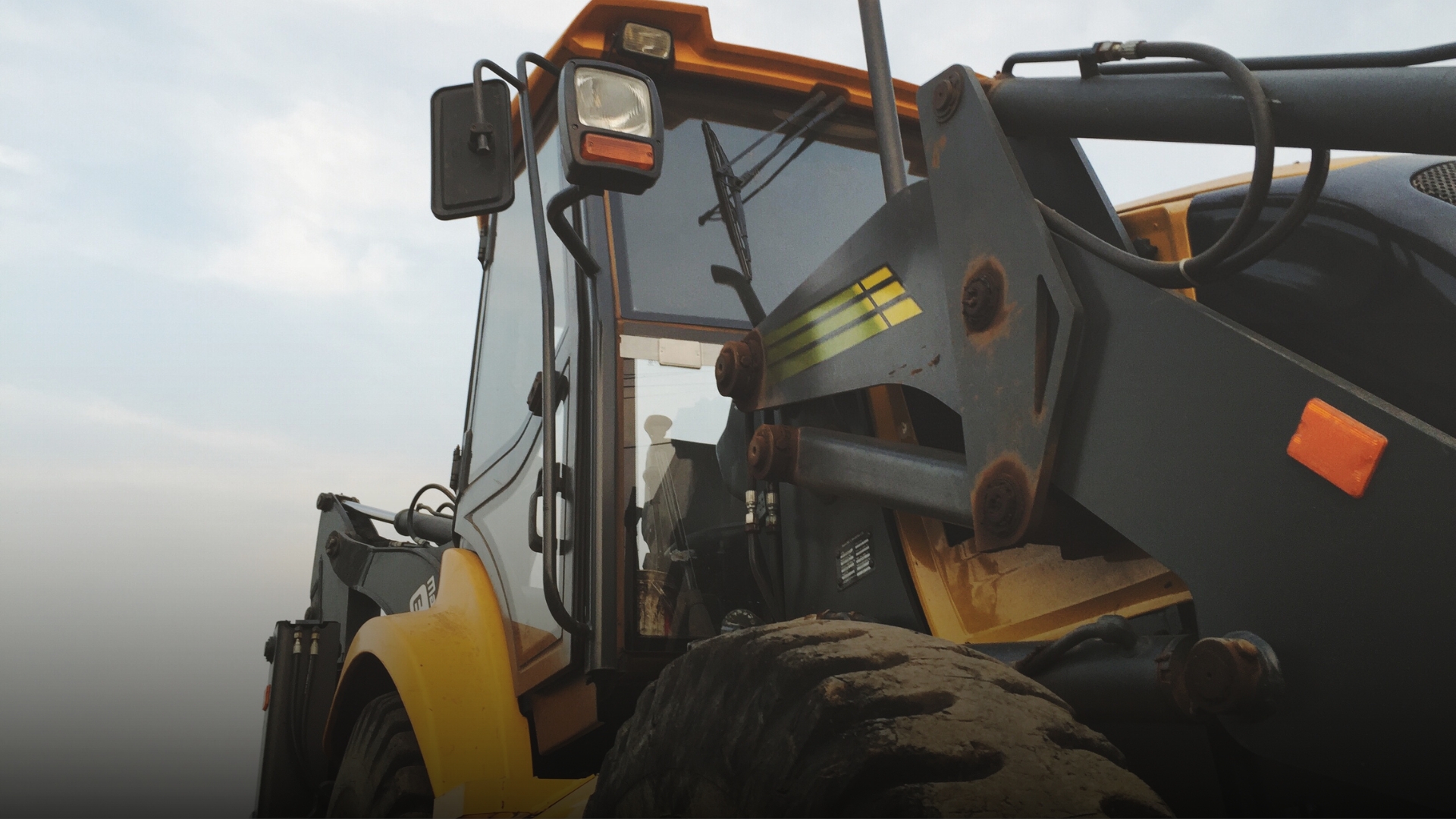
Running a business in Canada means balancing growth with smart financial decisions. Whether you’re in construction, transportation, forestry, or another hands-on industry, having the right equipment is essential. But buying equipment outright isn’t always possible—especially when cash flow is tight or your credit history isn’t perfect.
That’s where equipment financing and leasing come in. These options help business owners access the tools they need without draining their capital. If you’re exploring your options, this guide will walk you through how equipment financing works, how leasing compares, and what to expect if you’re dealing with a low credit rating.
What Is Equipment Financing?
Equipment financing allows you to purchase machinery, vehicles, or tools by spreading the cost over time. Instead of paying a large upfront amount, you make regular monthly payments through an agreement with a lender.
This is especially useful for industries that rely on expensive equipment. Heavy equipment financing is commonly used in construction, forestry, and transportation, where machines can cost hundreds of thousands of dollars.
The process usually involves a loan application, where lenders review your business details, financial statements, and credit history before giving loan approval.
What Is Equipment Leasing?
Leasing is another popular option for Canadian businesses. Instead of owning the equipment, you pay to use it for a set period. At the end of the term, you can return it, renew the lease, or sometimes buy it.
For businesses in Alberta, equipment leasing Calgary providers offer flexible programs designed for local industries. Leasing is often a good fit if you want lower monthly payments or need equipment for a specific project timeline.
It also allows you to upgrade equipment more easily, which can be important in industries where technology changes quickly.
Leasing vs Financing: Which Option Is Right?
Both leasing and financing have their benefits. The best choice depends on your business goals, cash flow, and how long you plan to use the equipment.
Financing may be better if:
- You want to own the equipment long term
- The equipment has a long useful life
- You want to build equity in your assets
Leasing may be better if:
- You want lower monthly payments
- You need flexibility to upgrade equipment
- You want to preserve working capital
In many cases, business owners combine both options depending on the type of equipment and project needs.
Getting Approved: What Lenders Look For
When applying for equipment financing, lenders will look at several factors before giving loan approval:
- Your credit score
- Your payment history
- Your business revenue and cash flow
- The type and value of the equipment
- Your existing types of credit
Traditional financial institutions rely heavily on credit checks and financial statements. If your credit account history shows missed payments or high debt levels, it can affect your ability to qualify.
However, not all lenders have the same requirements. Many specialized lenders focus on helping businesses that may not qualify through a bank.
Equipment Financing with Bad Credit
If your business has a low credit rating, you still have options. Many Canadian lenders offer bad credit financing programs designed to support business owners who are rebuilding their financial standing.
These programs may have slightly higher interest rates, but they provide access to equipment when it’s needed most. They also give you a chance to rebuild your credit over time by making consistent payments on time.
Some lenders also reduce their reliance on traditional credit checks and instead look at your overall business performance. This makes financing more accessible, even if your credit history isn’t perfect.
How Credit Impacts Your Financing Options
Your credit score plays a key role in determining your interest rates, approval chances, and loan terms. Credit bureaus track your financial behaviour and provide reports that lenders use during the loan application process.
If your credit report shows missed payments or high balances, it can negatively affect your chances of approval. On the other hand, a strong payment history can help you secure better terms.
Common factors that affect your credit score include:
- Paying bills late
- Carrying high balances on credit cards
- Applying for multiple types of credit at once
- Defaulting on loans like a car loan or business loan
Understanding how these factors work is the first step toward improving your credit.
Tips for Improving Your Credit Before Applying
If you’re planning on applying for financing, taking steps to improve your credit score can increase your chances of approval and help you secure better rates.
Here are a few simple strategies:
- Pay your bills on time every month
- Check your credit score regularly through a credit bureau
- Reduce outstanding balances on credit cards
- Limit how often you are applying for credit
- Keep older credit accounts open to show long-term history
Improving your credit doesn’t happen overnight, but small steps can make a big difference over time.
Managing Monthly Payments and Cash Flow
One of the biggest advantages of equipment financing and leasing is the ability to spread costs over time. Predictable monthly payments help you plan your budget and manage cash flow more effectively.
Instead of tying up your working capital in one large purchase, you can invest in growth, hire staff, or take on new projects while still paying for your equipment.
This balance is key for small and mid-sized businesses that need to stay flexible in a changing economy.
Working with the Right Financing Partner
Not all lenders are the same. Some focus strictly on numbers, while others take the time to understand your business and offer tailored solutions.
Specialized lenders often provide more flexibility than traditional financial institutions, especially when dealing with unique industries or credit challenges. They may offer faster approvals, fewer restrictions, and solutions designed for real-world business needs.
Choosing the right partner can make the entire process smoother and help you get the equipment you need without unnecessary stress.
Making Smart Equipment Financing Decisions for Your Business
Equipment financing and leasing are powerful tools that help Canadian business owners grow without overextending their finances. Whether you’re exploring heavy equipment financing, dealing with a low credit rating, or looking for flexible leasing options in Calgary, there are solutions available.
By understanding how financing works, improving your credit habits, and working with the right lender, you can secure the equipment your business needs to succeed. The key is making informed decisions that support your long-term goals while keeping your cash flow strong.
